By Michael Woyton
More and more retailers are voicing concerns that new tariffs the convicted felon is so enamored with will force them to raise prices.
President-elect Donald Trump promised all during the campaign that he will impose tariffs in order to bring jobs and manufacturing back to the United States.
He repeated said, contrary to reality, that the tariffs he wants to see on goods imported from China and other countries will be paid by the foreign country.
Subscribe to On Second Thought for free:
That is not how tariffs work.
According to Investopedia, a tariff is a tax used to restrict imports, by increasing “the price of goods and services purchased from another country, making them less attractive to domestic consumers.”
Why are they less attractive to domestic consumers? Because the price increase is passed along to the receiving country’s consumers.
China is not going to pay for the tariff Trump said he will be imposing on its goods. We the consumers who still want to buy those goods will be paying the increased price.
And Mexico never paid for the wall.
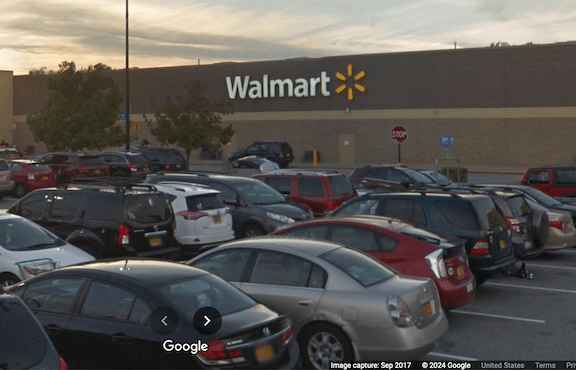
On Tuesday, the CFO of Walmart, John David Rainey, said his company “could have to raise prices on some items” if Trump’s proposed tariffs go into effect, CNBC reported.
“We never want to raise prices,” he said in an interview. “Our model is everyday low prices. But there probably will be cases where prices will go up for consumers.”
Rainey said it was too soon to say what would cost more under the tariff scheme.
The CFO of home improvement retailer Lowe’s said that about 40 percent of the cost of its goods come from some place other than the U.S., and tariffs “certainly would add product costs.”
Reuters reported Tuesday that, while CEOs were sort of waiting to see what Trump actually does come January regarding tariffs, “many have raised concerns about the effect such levies will have on inflation.”
Since September, execs from nearly 200 companies in the S&P Composite index have been talking about tariffs during earnings calls. That number is double the same period in the run-up to the 2020 election and much more than a mere 23 times in 2023, Reuters said.
Whether tariffs are a done deal is yet to be seen.
But the chances are higher, according to Barrons, because Trump nominated Howard Lutnick to head the Commerce Department.
Lutnick, CEO of the investment firm Cantor Fitzgerald, is known to be a fan of tariffs.
To put it all into perspective, UBS, the multinational investment bank, said its economists estimate that a 20 percent tariff on a finished product would yield an average price increase of 8 percent.
The question then will be, how will you pay for your eggs and bacon after the tariffs kick in?
Lead art: Screen grab from Google Maps.
 On Second Thought